6 Essential Fall Home Maintenance Tips & Autumn Home Preparation Checklist
As the vibrant colors of fall begin to blanket our neighborhoods, it’s the perfect time to enjoy the beauty of the season. But behind the crisp air and falling leaves lies a crucial opportunity: preparing your home for the colder months ahead.
Fall is the ideal time to tackle essential maintenance tasks that not only protect your property but also help reduce the risk of costly insurance claims and emergency repairs during winter.
Whether you’re a longtime homeowner or settling into a new space, these fall home maintenance tips can help you safeguard your investment and enjoy a warm, worry-free winter.
Autumn Home Preparation Checklist
Before the first frost hits, it’s smart to go through a fall-to-winter checklist. This autumn home preparation checklist ensures that no important task is overlooked:
- Inspect your roof and gutters for damage.
- Seal drafty windows and doors to improve energy efficiency.
- Winterize plumbing and prevent frozen pipes.
- Schedule a heating system inspection.
- Test smoke and carbon monoxide detectors.
- Stock up on emergency supplies.
- Prepare outdoor spaces and landscaping for colder weather.
Using this seasonal checklist, scheduling a check-in with your Quaint Oak Insurance agent, and utilizing the tips below will make your home safer, warmer, and more resilient against winter’s challenges.
1. Inspect and Fortify Your Roof and Gutters
Your roof is your home’s first line of defense against the elements. As fall progresses, take time to inspect it for signs of wear and damage. Look for missing or curling shingles, cracked flashing, or any areas where water might seep in. Even small issues can escalate quickly once snow and ice arrive.
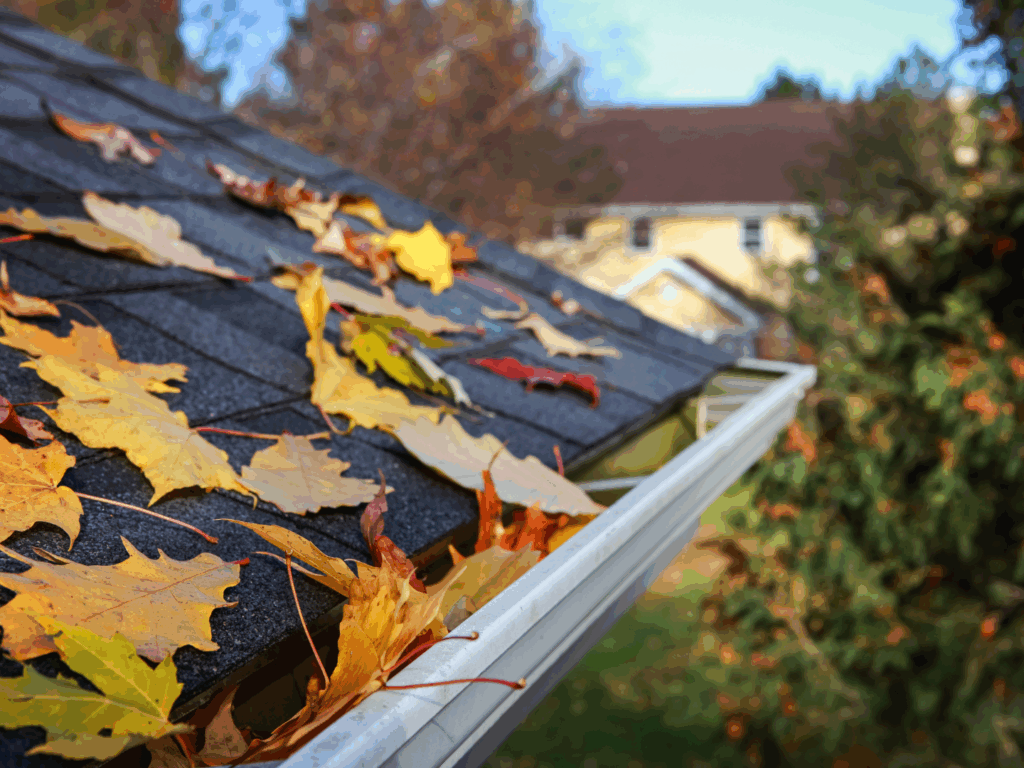
Equally important is your gutter system. Falling leaves and debris can clog gutters, leading to water overflow and potential damage to your siding, foundation, or landscaping. Clean your gutters thoroughly and check that downspouts direct water at least five feet away from your home. Consider installing gutter guards to minimize future buildup.
A well-maintained roof and gutter system not only protect your home from water damage but also helps prevent ice dams, those pesky ridges of ice that can form at the edge of your roof and cause leaks inside your home.
2. Seal Windows and Doors to Keep the Warmth In
Drafts around windows and doors can make your home feel chilly and drive-up heating costs. Before temperatures drop, inspect all entry points for gaps or cracks. Use weatherstripping, caulk, or foam sealant to close any leaks. Pay special attention to older windows, sliding glass doors, and basement access points.
If your windows are particularly inefficient, consider adding thermal curtains or using window insulation film. These simple upgrades can make a noticeable difference in your home’s comfort and energy efficiency.
Proper sealing not only keeps warm air in and cold air out. It also helps your heating system work less hard, which can extend its lifespan and reduce your utility bills.
3. Protect Your Plumbing from Freezing Temperatures
Frozen pipes are one of the most common and costly winter home disasters. Fortunately, a few proactive steps in the fall can help you avoid this headache.
Start by insulating exposed pipes in unheated areas like basements, attics, garages, and crawl spaces. Foam pipe insulation is inexpensive and easy to install. For added protection, consider heat tape for pipes that are especially vulnerable.
Don’t forget your outdoor plumbing. Disconnect garden hoses, drain them, and store them indoors. Shut off water to exterior faucets and drain the lines to prevent freezing. If your home has an irrigation system, schedule a professional blowout to clear the lines before the first hard freeze.
These simple precautions can save you thousands in water damage and repair costs, and keep your winter stress-free.
4. Prepare Your Heating Systems for Efficient Performance
Your heating system will be working overtime in the coming months, so now is the time to ensure it’s up to the task. Schedule a professional inspection of your furnace, boiler, or heat pump. A technician can clean components, check for wear, and make sure everything is running safely and efficiently.
If you use a wood stove or fireplace, have the chimney cleaned and inspected to remove creosote buildup and ensure proper ventilation. Dirty chimneys are a leading cause of house fires in winter, so this step is especially important.
Replace furnace filters to improve airflow and indoor air quality. If you haven’t already, consider installing a programmable thermostat to optimize heating schedules and reduce energy waste.
A well-maintained heating system not only keeps your home cozy, it also helps you avoid emergency service calls during the coldest days of the year.
5. Check Safety Devices and Emergency Supplies
Fall is also a great time to test your home’s safety systems. Check smoke detectors and carbon monoxide alarms, replacing batteries as needed. If your alarms are more than 10 years old, consider replacing them entirely.
Review your emergency supplies, especially if you live in an area prone to winter storms. Stock up on essentials like flashlights, batteries, bottled water, non-perishable food, blankets, and a first-aid kit. Make sure you have a snow shovel, ice melt, and a plan for clearing driveways and walkways.
If you rely on a generator, test it now and ensure it’s properly fueled and maintained. Knowing your backup systems are ready can give you peace of mind when the weather turns harsh.
6. Tidy Up Your Yard and Exterior Spaces
Before the first frost, take time to clean up your yard and prepare your landscaping for winter. Rake leaves, trim dead branches, and remove any debris that could become hazardous in high winds or snow.
Store outdoor furniture, grills, and garden tools in a shed or garage. Drain and winterize fountains, ponds, and other water features. If you have seasonal plants, mulch them or bring them indoors to protect them from freezing temperatures.
These steps not only keep your property looking neat: they also prevent damage and reduce the risk of accidents during icy conditions.

A Little Preparation Goes a Long Way with These Fall Home Maintenance Tips
Fall is more than just pumpkin spice and cozy sweaters: it’s a season of transition and preparation. By taking the time to complete these home maintenance tasks, you’re not just protecting your property; you’re investing in your comfort, safety, and peace of mind.
A well-prepared home is better equipped to handle winter’s challenges, from freezing temperatures to heavy snow. And when spring arrives, you’ll be glad you took the time to prevent problems before they started.
Grab your checklist, roll up your sleeves, and make the most of this season. Your future self—and your home—will thank you.
Contact Us Today!
1 All case studies are for illustration purposes only and do not represent actual customers or specific business outcomes.