Winter Driving Safety: How to Prepare Your Vehicle
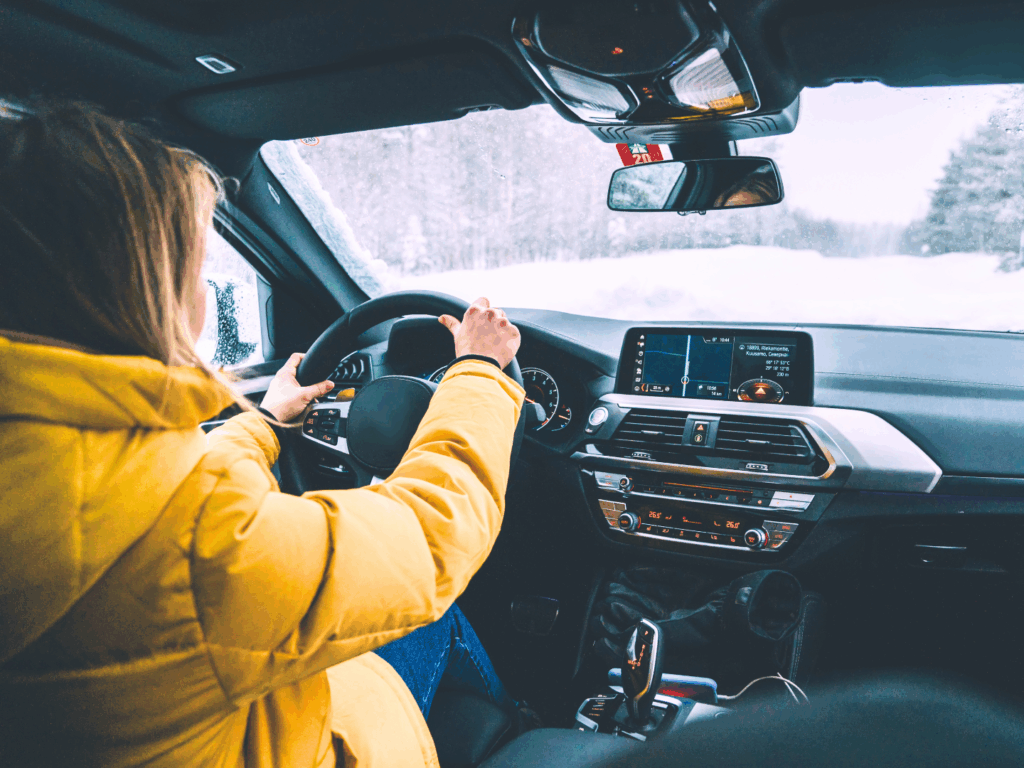
When temperatures drop, your risk on the road increases. Snow-covered streets, freezing rain, and early nightfall can all make driving more challenging. Whether you’re commuting to work, managing a business fleet, or simply keeping your family safe, winter driving safety tips are not just for precautionary measures: they are essential.
Why Winter Requires Extra Care Behind the Wheel
Cold weather introduces a unique set of driving hazards:
- Slippery roads increase the chance of losing control.
- Reduced visibility from snow, fog, and shorter days makes it harder to react quickly.
- Vehicle breakdowns are more common in freezing temperatures.
- Extreme cold can affect everything from tire pressure to battery performance.
By preparing your vehicle and adjusting your driving habits, you can reduce your risk and travel safely throughout the season.
Essential Winter Vehicle Preparation
Taking time to inspect and maintain your vehicle before winter weather sets in can prevent accidents and breakdowns.
Tires
Check for adequate tread depth and proper inflation. Cold air can lower tire pressure, reducing traction on snow and ice. Consider winter tires if you live in an area with heavy snowfall.
Battery
Test your battery: cold temperatures can significantly reduce its efficiency. If your battery is more than three years old, have it checked to ensure it can handle the strain of freezing weather.
Wipers & Washer Fluid
Replace worn windshield wipers and fill up with winter-grade washer fluid. Clear visibility is critical during snow, sleet, and freezing rain.
Fluids
Top off antifreeze and other essential fluids to prevent freezing and maintain optimal engine performance.
Lights
Ensure all headlights, brake lights, and turn signals are clean, bright, and working properly so you can see—and be seen—on dark winter evenings.
Winter Car Emergency Kit Checklist
A well-stocked emergency kit can make all the difference if you’re delayed or stranded. Keep these items in your vehicle throughout the winter:
- Blankets or extra warm clothing
- Flashlight with extra batteries
- Non-perishable snacks and bottled water
- Portable phone charger
- Small shovel and ice scraper
- First aid kit
- Jumper cables
- Sand or kitty litter (for traction)
- Flares or reflective triangles
Keep a copy of your auto policy and your independent insurance agent’s contact information in your emergency kit. If you need roadside assistance or have to file a claim, having those details on hand can save time and reduce stress.

Safe Winter Driving Habits
Even the best-maintained vehicle can’t compensate for unsafe driving in winter conditions. Practice these habits to stay safe:
- Slow down. Icy roads mean longer stopping distances.
- Increase following distance. Leave extra space between you and the car ahead.
- Avoid sudden movements. Gentle steering, braking, and acceleration help prevent skids.
- Know how to handle skids. Steer in the direction you want to go and stay calm.
- Watch for black ice. Shiny or wet-looking patches on the road could be invisible ice.
- Stay alert. Early nightfall means more driving in the dark—keep distractions to a minimum.
If you have a teen driver, take time to review these safety tips together. Talking through what to do in an emergency or when conditions worsen helps everyone feel more confident on the road.
Hit the Roads Confidently with Winter Driving Safety Tips
A little preparation today can help prevent big problems tomorrow. With regular maintenance, a stocked emergency kit, and safe driving habits, you can navigate winter’s challenges with confidence and peace of mind.
Whether you’re heading to work, running errands, or traveling with loved ones, staying proactive keeps you safer. Winter driving doesn’t have to be stressful: when your vehicle is ready and your mindset is calm, you’re better equipped to handle whatever the season brings.
Contact Us Today!
1 All case studies are for illustration purposes only and do not represent actual customers or specific business outcomes.